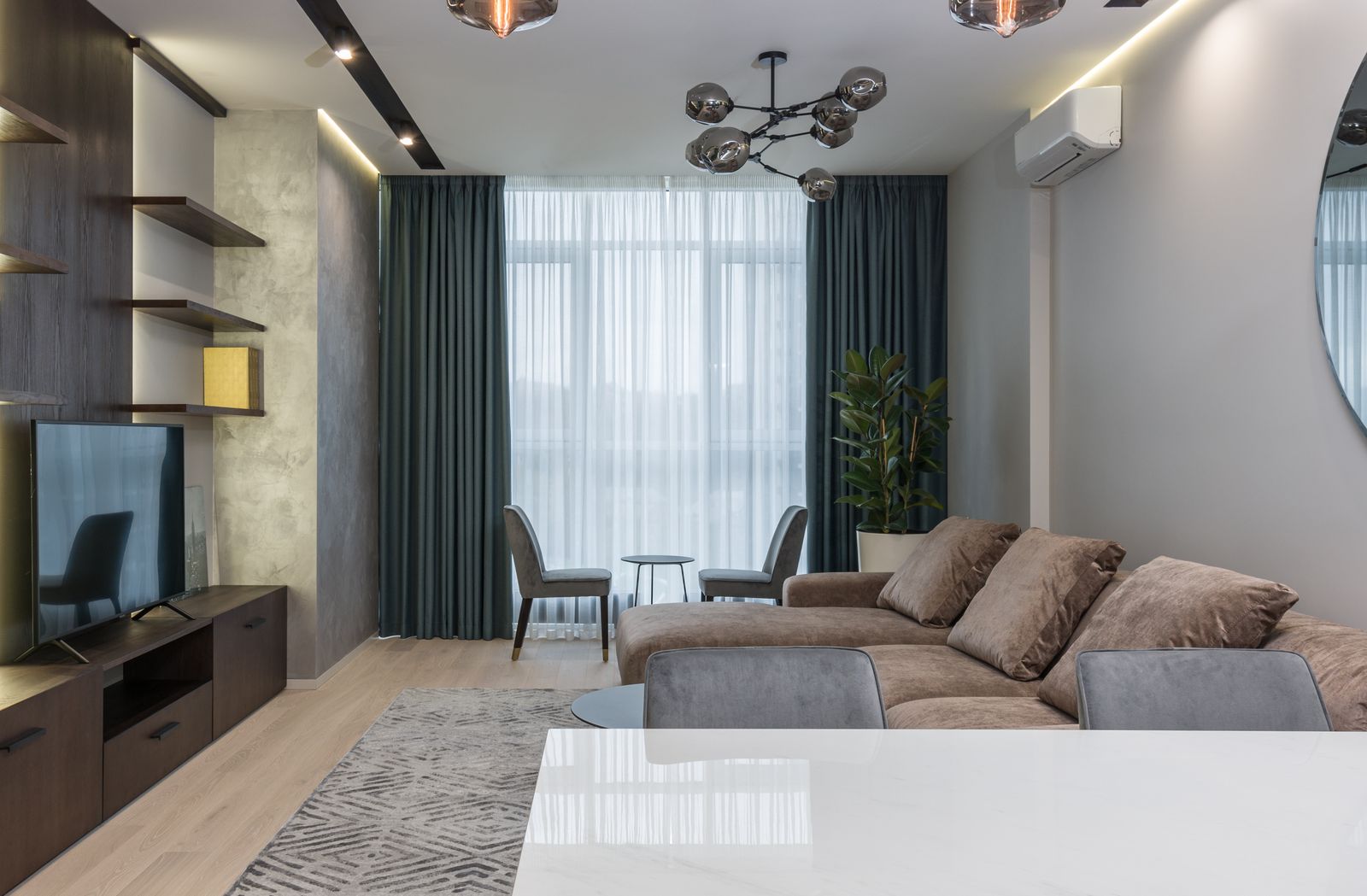
Decorative lighting and room-led interiors
Decorative lighting that feels specified, not simply added at the end of a project.
Cinder & Oak sells lighting the way real projects happen: by room, by finish, and by how a piece sits next to tile, mirror scale, cabinet hardware, and the mood of the rest of the house.
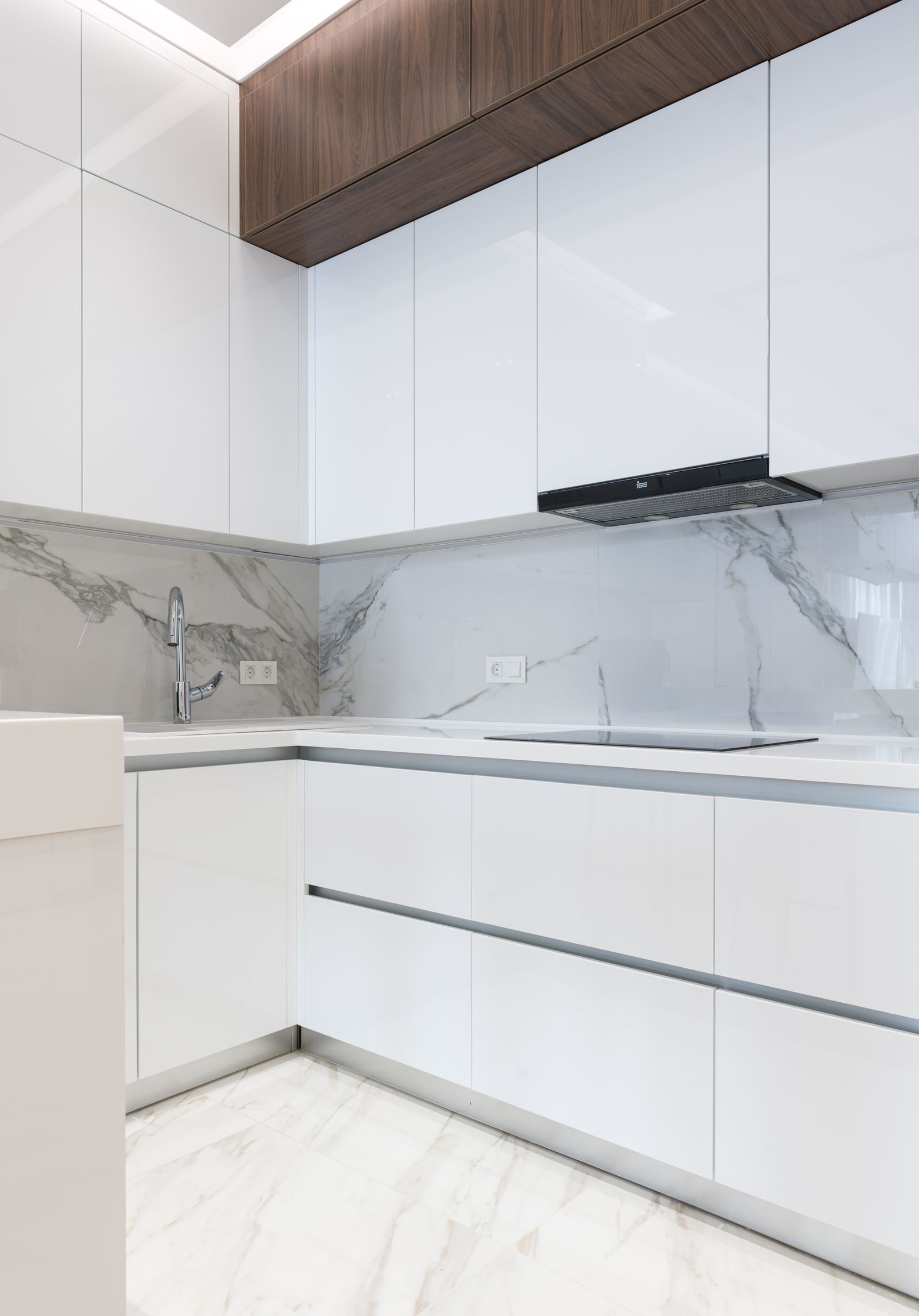 Flagship trail-shoe colorways
Shop by room, not just by SKU
Most customers do not start with a product code. They start with a powder room, a hallway mirror, or a primary bath that needs warmth without looking overdone.
That is why the site pushes visitors toward the bath-lighting collection, the powder-room edit, and editorial guidance like mixing aged brass and blackened steel.
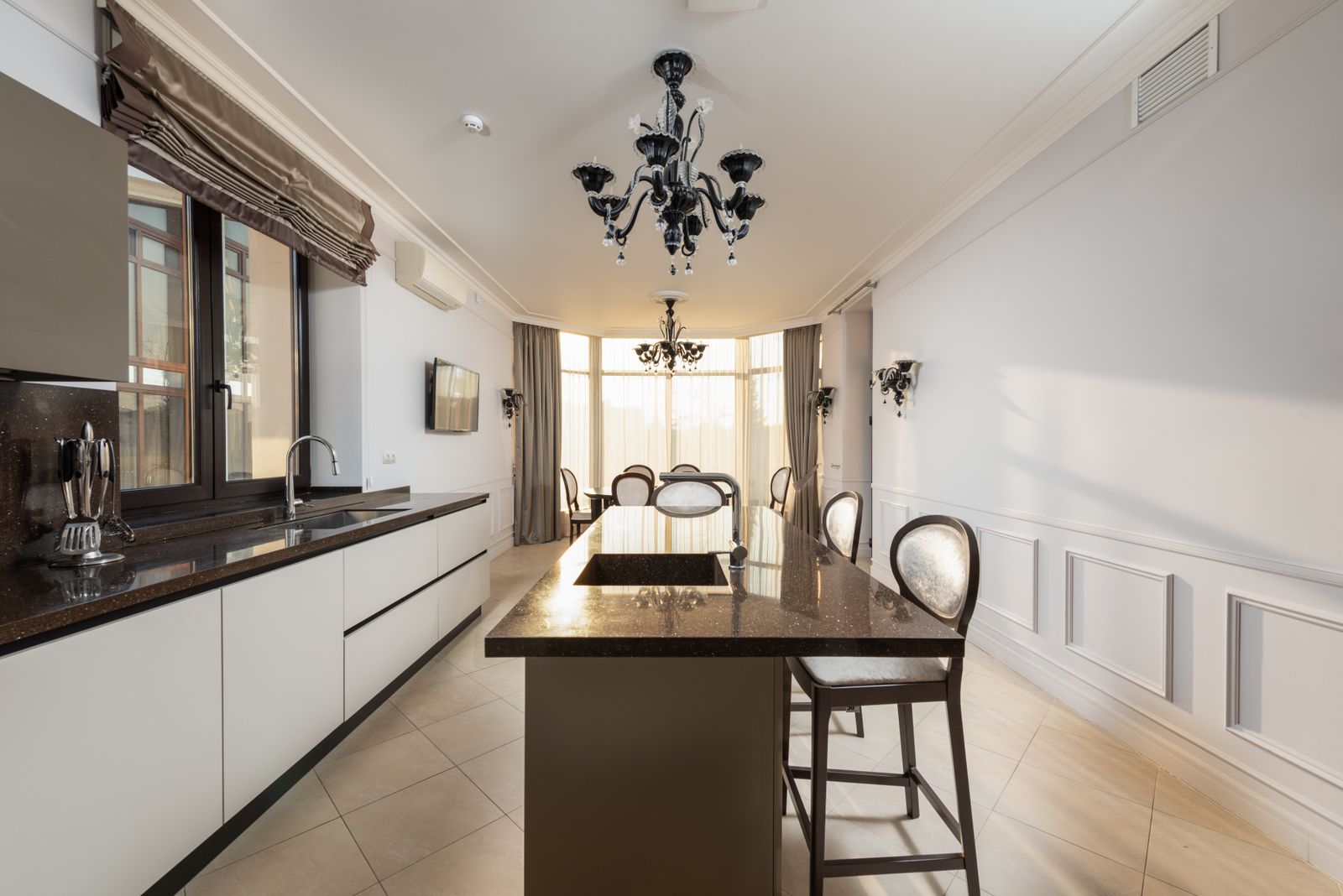

Editorial commerce, not anonymous catalog noise
The strongest routes behave like a retailer with point of view: collections, room edits, showroom notes, and a journal that gives shoppers permission to compare finishes before they commit.
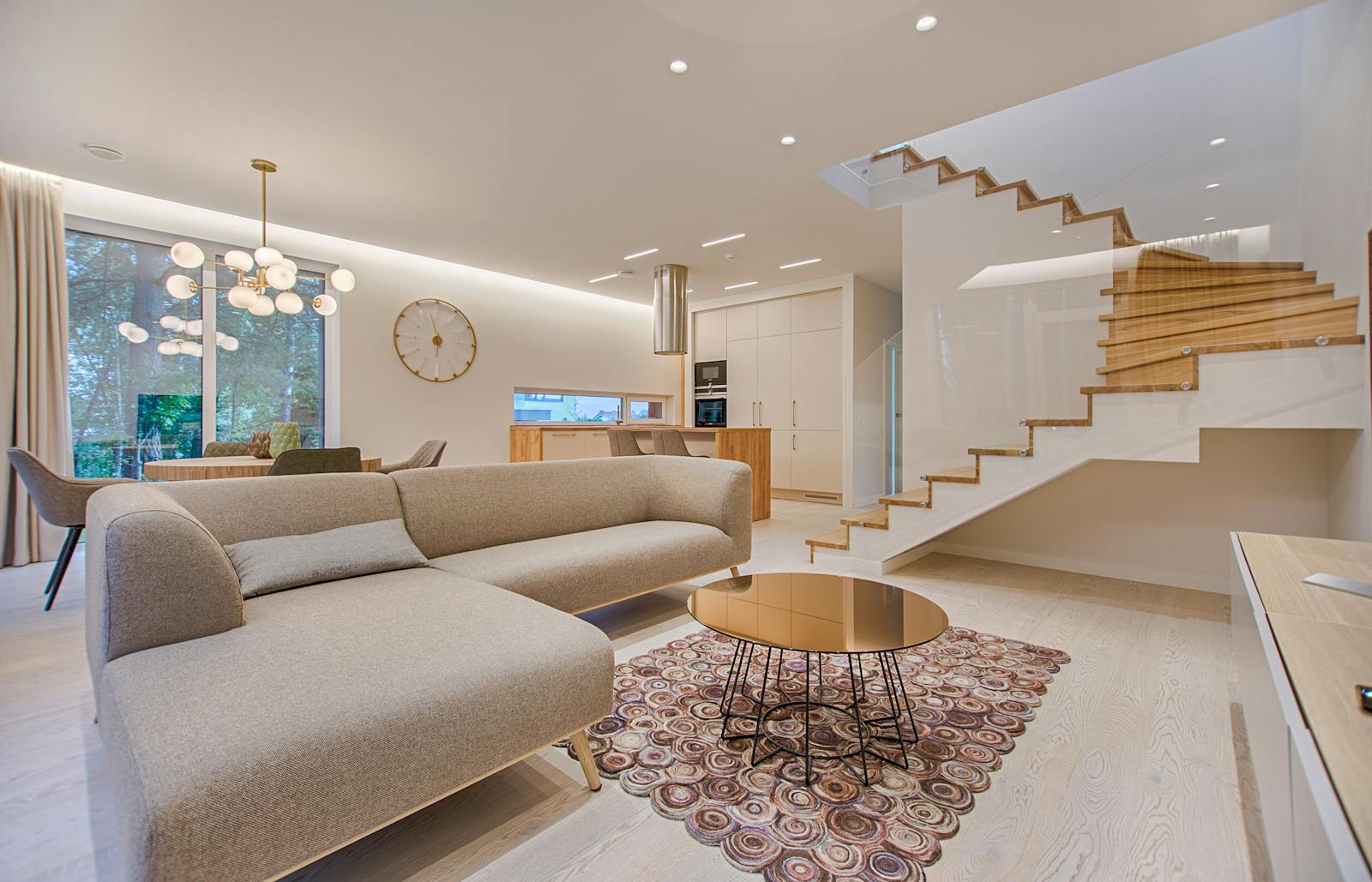
What designers need before they even ask for a quote
| Need | Why it matters | Supporting route |
|---|---|---|
| Finish availability | because aged brass and matte black are often the real decision point | trade program |
| Lead times | because installs and cabinetry schedules do not wait | shipping and returns |
| Room context | because clients buy into a whole look, not a fixture alone | powder room edit |
Trade and homeowner paths still feed the same product reality
The site is intentionally over-linked between product, room, journal, and trade pages because that is how real buying happens. Someone lands on a journal article, compares a room edit, then ends up on a specific SKU or trade form once the project is clear.
Start with a room or finish mood
Homeowners and designers alike usually enter through imagery, room type, or a search for a finish pairing.
Move into a collection and one or two anchor products
The collection page creates density while the flagship PDP proves scale, finish, and install context.
Finish on a room edit, quote path, or showroom action
The conversion paths intentionally overlap because the customer journey is rarely linear.
Common friction points
Do you stock both designer and homeowner quantities?
Yes. The retail and trade lanes share core inventory, but trade clients get faster quoting and finish confirmation support.
Can I compare finishes in person?
Yes. The Ballard showroom is built around finish, scale, and room-context comparison instead of boxed retail display.